
How Shockwave Therapy Helps Relieve Chronic Pain
How Shockwave Therapy Helps Relieve Chronic Pain
Chronic pain affects millions of people and can significantly impact daily life. From persistent heel pain to ongoing shoulder injuries, many individuals struggle with conditions that don’t respond well to traditional treatments like rest, medication, or physical therapy alone.
One treatment that has gained significant attention in recent years is shockwave therapy. This non-invasive procedure helps stimulate the body’s natural healing process and has been widely used in sports medicine, orthopedics, chiropractic and physical therapy clinics.
If you're searching for a long-term solution for chronic pain, shockwave therapy may be worth considering. In this article, we’ll explain how shockwave therapy works, the conditions it treats, its benefits, and what to expect during treatment.
What Is Shockwave Therapy?
Shockwave therapy, also known as Extracorporeal Shockwave Therapy (ESWT), is a non-surgical treatment that uses acoustic waves to stimulate healing in injured tissues.
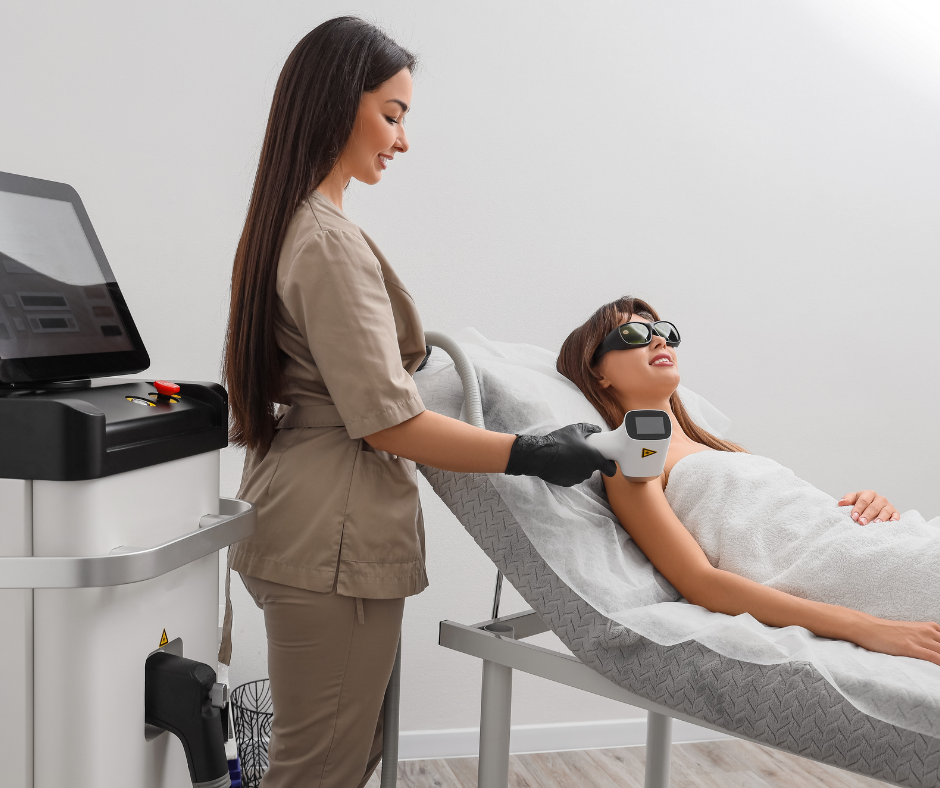
These high-energy sound waves are delivered to the affected area using a specialized handheld device. The waves penetrate deep into muscles, tendons, and ligaments to trigger biological responses that promote healing.
Shockwave therapy is commonly used to treat chronic musculoskeletal pain that hasn’t improved with conservative treatments.
How Shockwave Therapy Works
Shockwave therapy helps reduce chronic pain by activating the body's natural healing mechanisms. The treatment works through several key processes.
1. Stimulates Tissue Repair and Regeneration
One of the primary benefits of shockwave therapy is its ability to stimulate tissue repair. The acoustic waves trigger microtrauma in damaged tissues, which signals the body to begin the healing process.
This stimulation increases:
- Collagen production
- Cellular regeneration
- Tissue repair
Collagen is especially important because it strengthens tendons and ligaments that may have weakened due to injury or overuse.
2. Improves Blood Circulation
Poor blood flow is a major factor in chronic pain conditions. Injured tissues often struggle to heal because they lack proper circulation.
Shockwave therapy promotes the formation of new blood vessels, improving oxygen and nutrient delivery to the affected area.
Better circulation helps accelerate the healing process and reduce inflammation.
3. Breaks Down Calcifications and Scar Tissue
Chronic injuries can lead to the formation of scar tissue or calcium deposits within tendons.
Shockwave therapy helps break down these calcifications and fibrous tissues, allowing the body to absorb them more easily. This process can restore flexibility and reduce pain.
4. Reduces Pain Signals
Another way shockwave therapy helps relieve chronic pain is by affecting nerve endings in the treatment area.
The therapy helps reduce the sensitivity of pain receptors and stimulates the release of endorphins, the body’s natural pain-relieving chemicals.
Many patients notice pain reduction after just a few sessions.
Conditions Shockwave Therapy Can Treat
Shockwave therapy is commonly used to treat a wide range of chronic musculoskeletal conditions, including:
Plantar Fasciitis
This condition causes severe heel pain due to inflammation of the plantar fascia ligament.
Tennis Elbow (Lateral Epicondylitis)
A repetitive strain injury that affects the tendons in the elbow.
Achilles Tendinitis
Inflammation of the Achilles tendon caused by overuse or strain.
Calcific Shoulder Tendinitis
A condition where calcium deposits form within shoulder tendons.
Patellar Tendinitis
Often called “jumper’s knee,” this injury affects the tendon connecting the kneecap to the shinbone.
Chronic Muscle Pain
Shockwave therapy can help treat muscle tightness and trigger points that cause ongoing discomfort.
Because it addresses the underlying cause of pain, shockwave therapy is often effective when other treatments have failed.
Benefits of Shockwave Therapy
There are several reasons why shockwave therapy has become a popular treatment option for chronic pain.
Non-Invasive Treatment
Shockwave therapy does not require surgery, injections, or anesthesia.
Minimal Recovery Time
Most patients can return to normal activities immediately after treatment.
Fast Treatment Sessions
A typical session lasts 5–15 minutes.
Long-Term Pain Relief
Instead of masking symptoms, shockwave therapy encourages the body to repair damaged tissue.
High Success Rate
Many studies show significant improvement in patients with chronic tendon injuries.
What to Expect During a Shockwave Therapy Session
Shockwave therapy sessions are relatively quick and straightforward.
During the procedure:
- A clinician applies a conductive gel to the treatment area.
- A handheld device delivers controlled acoustic waves to the affected tissue.
- The treatment usually lasts 5-15 minutes.
Some patients may experience mild discomfort during the procedure, but it is generally well tolerated.
Most treatment plans involve 3 to 6 sessions, spaced about one week apart.
Who Is a Good Candidate for Shockwave Therapy?
Shockwave therapy is often recommended for patients who:
- Have chronic pain lasting longer than three months
- Have not responded well to conservative treatments
- Want to avoid surgery
- Have tendon or soft tissue injuries
However, the treatment may not be suitable for individuals with certain medical conditions, such as blood clotting disorders or nerve damage.
Tips to Improve Results After Shockwave Therapy
To maximize the benefits of shockwave therapy, patients should follow a few simple guidelines:
- Avoid high-impact activities for a few days after treatment
- Follow recommended stretching or strengthening exercises
- Stay hydrated and maintain healthy circulation
- Attend all scheduled treatment sessions
Combining shockwave therapy with chiropractic and rehabilitation exercises often produces the best results.
Final Thoughts
Chronic pain can limit mobility, affect productivity, and reduce quality of life. Fortunately, modern treatments like shockwave therapy provide a safe and effective alternative to surgery or long-term medication use.
By stimulating tissue repair, improving blood flow, and reducing pain signals, shockwave therapy helps the body heal naturally.
If you’ve been struggling with long-term musculoskeletal pain, shockwave therapy may offer the relief you’ve been searching for.