
Understanding Bone Stress Injuries: Prevention, Symptoms, and Solutions
Dr. Isaac Strole, DC • March 15, 2025

Understanding Bone Stress Injuries: Prevention, Symptoms, and Solutions

With the arrival of warmer weather, more people are heading outdoors to engage in sports, running, and physical activities. While this increase in activity is great for overall health, it also raises the risk of developing injuries, including bone stress injuries (BSI) or stress fractures. Whether you're a runner ramping up your mileage or an athlete returning to intense training, understanding how to prevent and identify BSIs is crucial for staying injury-free.


Identifying Bone Stress Injuries

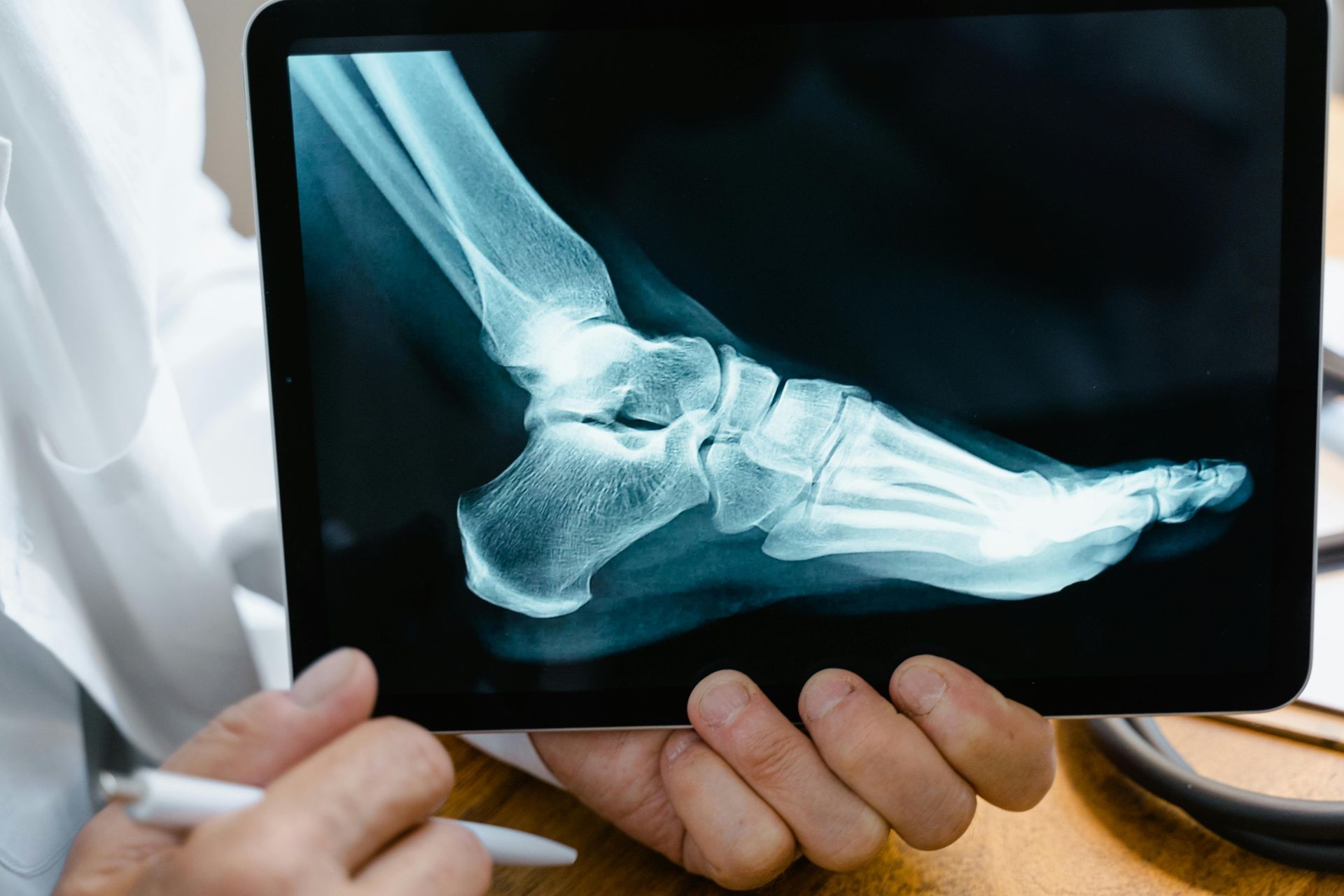
BSIs often present as localized pain that worsens with activity and improves with rest. Early-stage stress reactions may cause mild discomfort, while more severe stress fractures result in persistent pain, swelling, and tenderness over the affected area. Unlike muscle soreness, which subsides after a couple days, BSI pain tends to progressively worsen over time. Common sites include the shin (tibia), foot (metatarsals), hip, and femur. If symptoms persist despite rest, medical imaging (X-ray, MRI, or bone scan) may be required for accurate diagnosis.


Preventing Bone Stress Injuries

  1. Gradual Progression: Avoid sudden increases in training volume or intensity. A general rule is to increase mileage or load by no more than 10% per week.
  2. Strength Training: Incorporating strength training, especially for the lower body and core, improves bone density and reduces injury risk. Likewise, move in different planes of motion to add variety to your training
  3. Optimized Nutrition: Adequate calcium, vitamin D, and protein intake are essential for bone health and injury prevention. Supplementing with bovine collagen is beneficial for bone health.
  4. Rest and Recovery: Allow sufficient time for recovery between high-impact workouts. Incorporating cross-training (such as swimming or cycling) reduces excessive bone loading.
  5. Listen to Your Body: Persistent pain should not be ignored. Addressing discomfort early can prevent more serious fractures that require extended recovery.


Bone stress injuries are preventable with mindful training and recovery strategies. By listening to your body, progressing gradually, and maintaining strong bones through proper nutrition and exercise, you can reduce the risk of these injuries and stay active for the long run.


By Marcus Alvarado April 23, 2026
If you’ve ever considered visiting a chiropractor, chances are you’ve heard mixed opinions. Some people swear by it, while others aren’t sure what to believe. Let’s clear the confusion by breaking down the most common myths and facts about Chiropractic—so you can make informed decisions about your health. What Is Chiropractic Care? Chiropractic care is a healthcare discipline focused on diagnosing and treating musculoskeletal disorders—especially those involving the spine. It involves hands-on techniques like Spinal Manipulation to improve alignment, relieve pain, and support overall body function. Myth #1: Chiropractors Aren’t Real Doctors ❌ Myth Many people believe chiropractors lack proper medical training. ✅ Fact Chiropractors earn a Doctor of Chiropractic (D.C.) degree, which includes years of education in anatomy, physiology, neurology, and clinical practice. They are licensed healthcare professionals trained to assess and treat spinal and joint conditions. Myth #2: Chiropractic Adjustments Are Dangerous ❌ Myth Some think spinal adjustments are risky or unsafe. ✅ Fact When performed by a licensed professional, chiropractic care is widely considered safe. Serious complications are rare. In fact, many patients prefer chiropractic care as a non-invasive alternative to medication or surgery. Myth #3: Chiropractors Only Treat Back Pain ❌ Myth Chiropractic care is just for back pain. ✅ Fact While chiropractors commonly treat Lower Back Pain, they also help with: Neck Pain Migraines Sciatica Joint pain and mobility issues Chiropractic care focuses on how the entire musculoskeletal system affects overall health. Myth #4: Once You Start, You Have to Go Forever ❌ Myth You’ll be stuck in endless appointments. ✅ Fact Treatment plans vary based on your condition and goals. Some patients come in for short-term relief, while others choose ongoing care for wellness and prevention. The choice is always yours. Myth #5: Cracking Your Back Is the Same as an Adjustment ❌ Myth Self-cracking your back provides the same benefits. ✅ Fact Professional adjustments are precise and targeted. Chiropractors apply controlled force to specific joints, while self-cracking is uncontrolled and may not address underlying issues—and can sometimes make them worse. Myth #6: Chiropractic Care Isn’t Evidence-Based ❌ Myth It’s not supported by science. ✅ Fact There is growing research supporting chiropractic techniques, particularly for conditions like Lower Back Pain and Neck Pain. Many healthcare providers even recommend chiropractic care as part of a comprehensive treatment plan. Benefits of Chiropractic Care Patients often seek chiropractic care for: Pain relief without medication Improved mobility and flexibility Better posture Reduced muscle tension Enhanced overall wellness When Should You See a Chiropractor? Consider visiting a chiropractor if you experience: Persistent back or neck pain Frequent headaches Poor posture from desk work Limited range of motion Recovery from injury or strain
By Emily Odom April 22, 2026
If you’re dealing with sharp, shooting pain that radiates from your lower back down your leg, you may be experiencing Sciatica. This common condition can disrupt daily life—but the good news is that chiropractic care offers a natural, non-invasive way to find relief. What Is Sciatica? Sciatica occurs when the sciatic nerve—the longest nerve in the body—becomes irritated or compressed. This often results in: Lower back pain Radiating leg pain Numbness or tingling Muscle weakness How Chiropractic Care Targets Sciatica Chiropractors focus on restoring proper spinal alignment and reducing pressure on nerves. One of the most effective techniques used is Spinal Manipulation. 1. Relieving Nerve Pressure Misaligned vertebrae can compress the sciatic nerve. Chiropractic adjustments gently reposition the spine, helping reduce inflammation and nerve irritation. 2. Improving Spinal Alignment Correct alignment allows your body to function properly and prevents further stress on the sciatic nerve. 3. Reducing Inflammation Adjustments can improve circulation and decrease inflammation around the affected nerve, speeding up recovery. 4. Restoring Mobility Chiropractic care helps improve flexibility and range of motion, making it easier to move without pain. Additional Techniques Chiropractors May Use Beyond adjustments, chiropractors may incorporate: Laser Therapy Shockwave Therapy Dry Needling or Acupuncture Targeted stretching and strengthening exercises Soft tissue therapy Posture correction strategies Lifestyle and ergonomic advice These approaches work together to address both symptoms and root causes. Benefits of Chiropractic Care for Sciatica Patients often choose chiropractic care because it offers: Drug-free pain relief Non-invasive treatment Personalized care plans Long-term prevention strategies Many people report significant improvement in both pain levels and mobility after consistent care. When Should You See a Chiropractor? Consider scheduling a visit if you experience: Persistent lower back pain radiating down your leg Tingling or numbness in your legs or feet Pain that worsens when sitting Difficulty standing or walking for long periods Early intervention can help prevent the condition from worsening. At-Home Tips to Support Sciatica Relief While chiropractic care is highly effective, you can also support recovery by: Maintaining proper posture Avoiding prolonged sitting Using supportive seating Performing gentle stretches daily Staying physically active Final Thoughts Living with Sciatica can be challenging, but it doesn’t have to be permanent. Chiropractic care offers a safe, effective path to relief by addressing the root cause—not just the symptoms. If you’re looking for a natural way to manage sciatic pain and improve your quality of life, chiropractic treatment may be the solution you’ve been searching for.
More Posts